


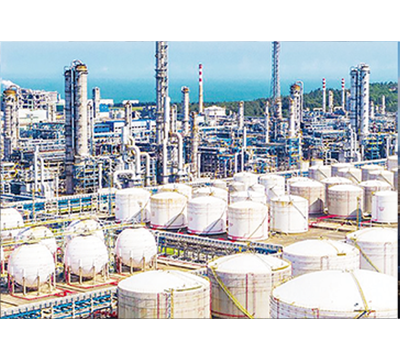
The commonality among all chemical industries, from refining to midstream and downstream, is that the production process requires a large amount of steam, while generating chemical heat. The heat output is greater than the input, and the potential for waste heat utilization is enormous.
Based on internal data from Sinopec, the petrochemical industry can prioritize the completion of industrial waste heat recovery and power generation transformation by 2035, with an expected installed capacity of over 2.25GW and an investment of over 20 billion RMB, providing effective support for carbon neutrality in the petrochemical industry. It can achieve energy-saving and emission reduction targets of 0.1-0.3 kilograms of standard oil per ton of oil.
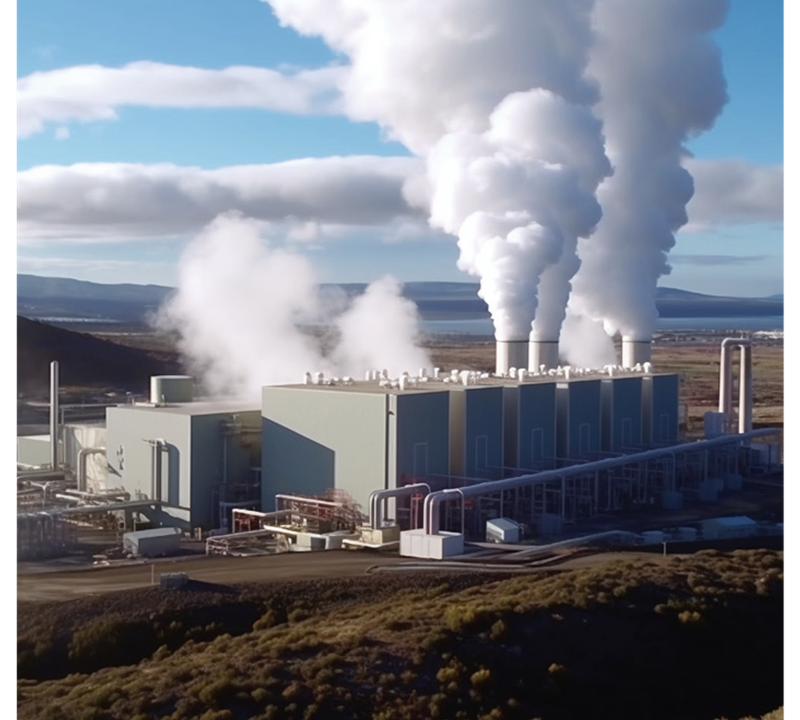
As one of the clean energy sources, geothermal energy not only has direct utilization, but also has unique advantages in power generation and is considered a more valuable way of utilization. The biggest advantage of geothermal power generation is stability. Compared to clean energy sources such as wind power, hydro power, and photovoltaics that rely on weather conditions, geothermal power generation is minimally affected by weather and even comparable in stability to thermal power generation.
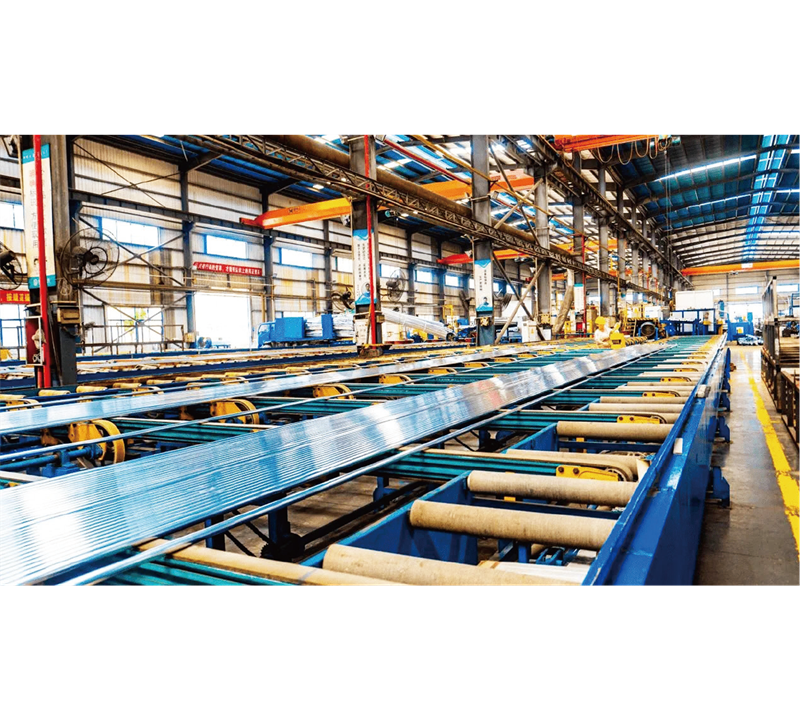
The core of low-temperature waste heat and pressure utilization in the building materials industry is to recover low-grade waste heat and low-pressure waste energy below 200 ℃ in the production of cement, glass, ceramics, etc., through heat exchange, heat pumps ORC、 The conversion of technologies such as residual pressure power generation into process heat, hot water, and electrical energy to achieve energy conservation, carbon reduction, cost reduction, and efficiency improvement is a key path for the industry's "dual carbon" and energy efficiency improvement.
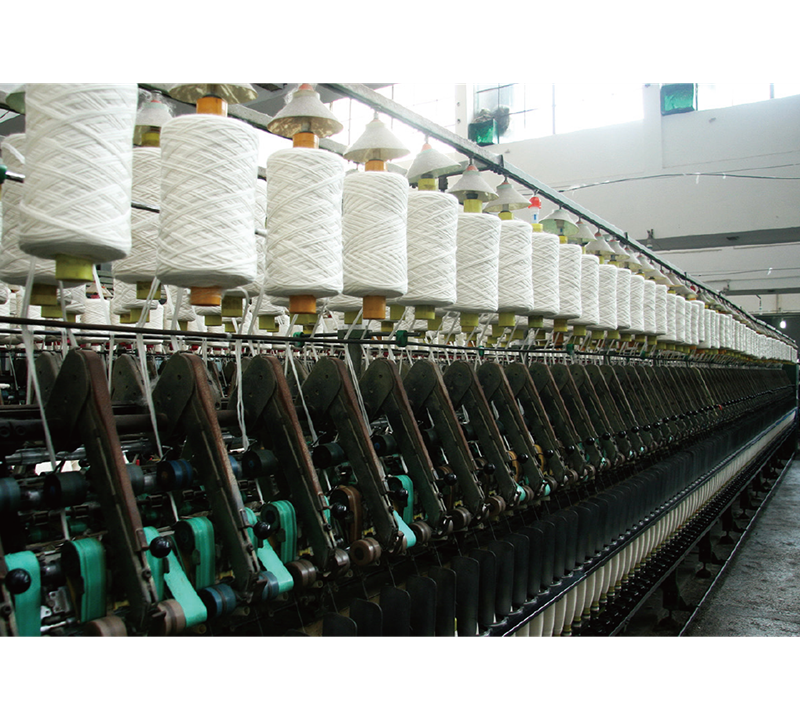
The textile industry is a typical heat intensive industry, with abundant and widely distributed low-temperature waste heat (60-150 ℃) and low-pressure waste energy resources, which run through the entire industry chain of chemical fiber, printing and dyeing, weaving, and dyeing and finishing. Among them, the esterification stage of chemical fiber production is one of the core low-temperature waste heat production links. Utilizing such low-grade energy and converting it into process heat, household energy, or electricity through adaptive technology can not only reduce energy consumption costs for enterprises, but also help the industry reduce carbon emissions. This is a key path for the textile industry's green and low-carbon transformation.
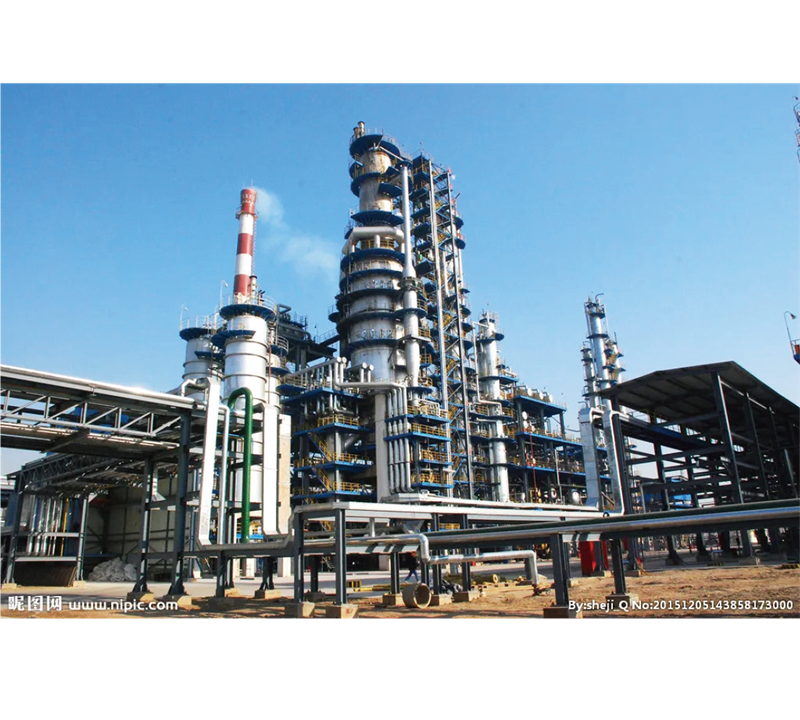
The steel industry is a typical high energy consuming and high emission industry, with production processes running through the entire process of sintering, ironmaking, steelmaking, and rolling steel. Along with the generation of a large amount of low-temperature waste heat (60-200 ℃) and low-pressure waste energy, this type of low-grade energy has a large total amount and wide distribution, and is the core breakthrough point for energy conservation, carbon reduction, cost reduction, and efficiency improvement in the steel industry. The utilization of low-temperature waste heat and pressure through adaptive technology to convert "waste energy" into usable energy is not only a key means for enterprises to reduce operating costs, but also an important path to achieve the "dual carbon" goal and promote the transformation of green steel.
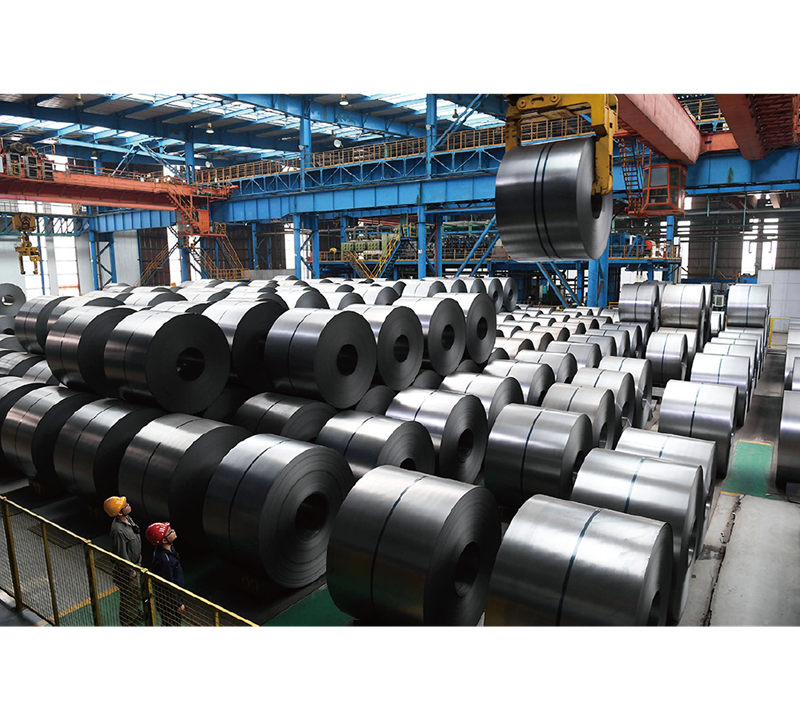
The steel industry is a typical high energy consuming and high emission industry, with production processes running through the entire process of sintering, ironmaking, steelmaking, and rolling steel. Along with the generation of a large amount of low-temperature waste heat (60-200 ℃) and low-pressure waste energy, this type of low-grade energy has a large total amount and wide distribution, and is the core breakthrough point for energy conservation, carbon reduction, cost reduction, and efficiency improvement in the steel industry. The utilization of low-temperature waste heat and pressure through adaptive technology to convert "waste energy" into usable energy is not only a key means for enterprises to reduce operating costs, but also an important path to achieve the "dual carbon" goal and promote the transformation of green steel.
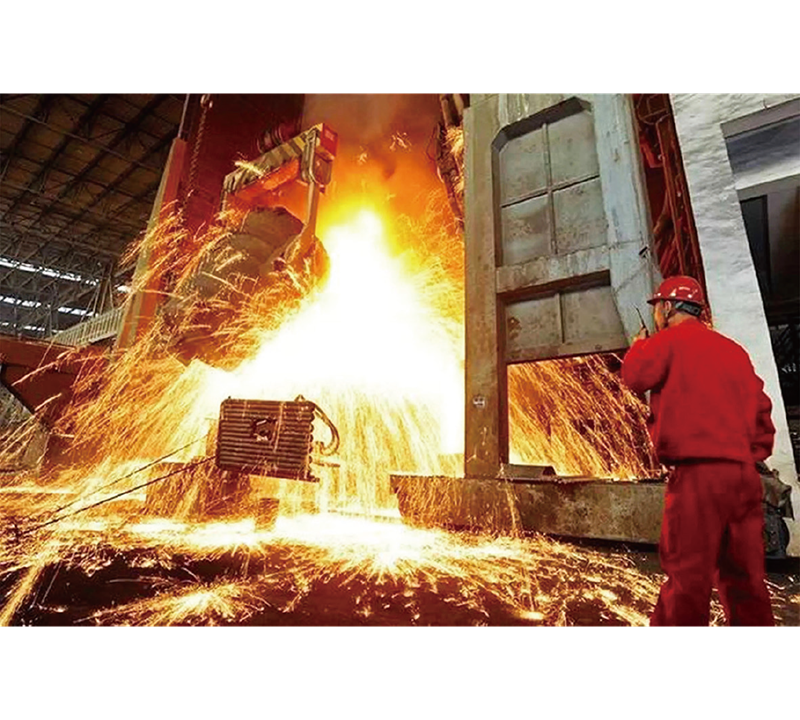
The non-ferrous metallurgy industry is a high energy consuming and high emission industry, covering the entire process of mining, beneficiation, smelting, and processing of metals such as copper, aluminum, lead, zinc, and nickel. The production process is accompanied by a large amount of low-temperature waste heat (60-200 ℃) and low-pressure waste energy. This type of low-grade energy has a large total amount, uneven grade, and complex composition, and is a key lever for energy conservation, carbon reduction, cost reduction, and efficiency improvement in the industry. The utilization of low-temperature waste heat and pressure through adaptive technology to convert waste energy into usable production capacity is not only the core means for enterprises to control operating costs, but also an important path to promote the green transformation of the non-ferrous metallurgy industry and achieve the "dual carbon" goal.
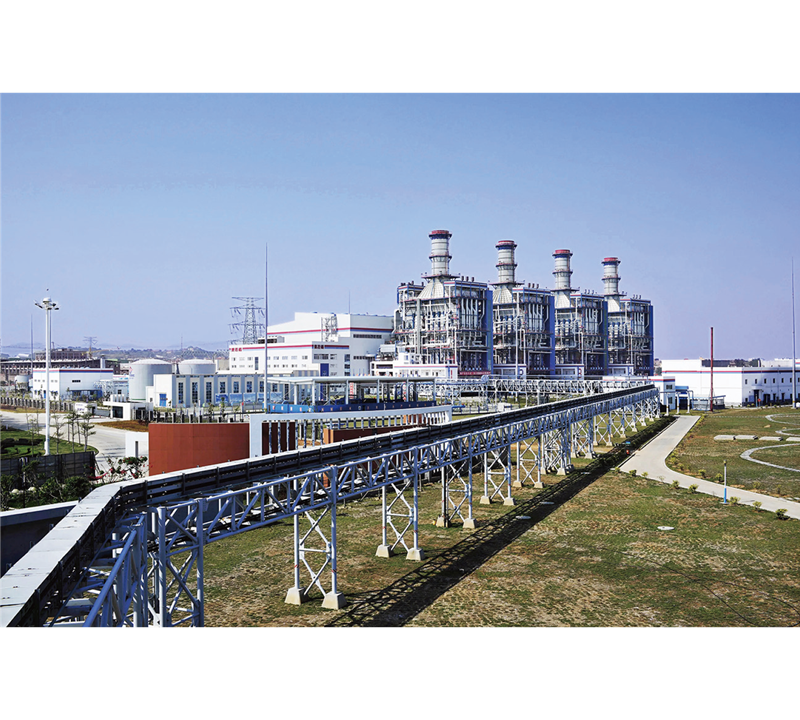
Cold energy generation is a green power generation technology that converts low-grade cold energy (especially deep low-temperature cold sources) into electrical energy. The core is to use the temperature difference between the cold source and the environment or high-temperature heat source to drive the thermal cycle and achieve energy conversion. Its cold source mainly comes from the deep cold energy (-162 ℃) released during the gasification process of liquefied natural gas (LNG), which has the core advantages of clean and pollution-free, renewable energy, and the ability to achieve residual energy recovery. It is an important emerging direction for efficient energy utilization under the background of "dual carbon", widely used in energy, chemical, cold chain and other fields.